Substitution of Animal Traction Vehicles in Bogota
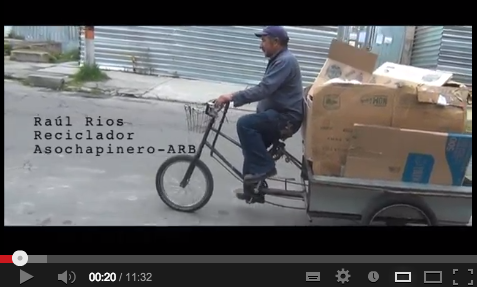
In 2003, the national transit code sought to eradicate animal traction vehicles or animal pulled carts that would have affected hundreds of thousands in Colombia. They had to demand their rights.

In 2003, the national transit code sought to eradicate animal traction vehicles or animal pulled carts that would have affected hundreds of thousands in Colombia. They had to demand their rights.

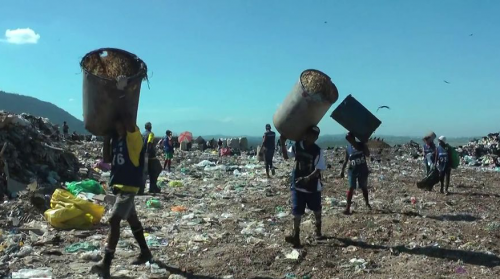
As part of the Regional Initiative for Inclusive Recycling, the Inter-American Development Bank organized a workshop in horizontal training on organizing for waste pickers working at a sanitary landfill in Amatitlán, Guatemala.

This report from the union of waste pickers, KKPKP, in Pune, India details the interventions of the union to improve the health of their members, including the setting up of a municipally funded health insurance scheme, health advocacy and the use of trust hospitals.

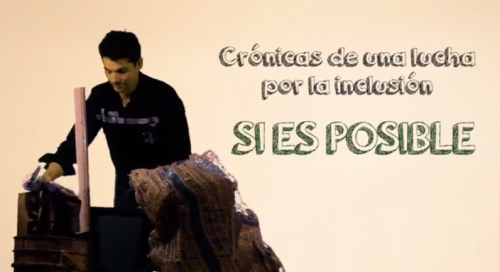
For the past 22 years, the waste pickers of Colombia have been fighting for recognition of their work. “There are no borders for those who fight,” is the slogan that symbolizes the struggle of the more than 15 million waste pickers, who are facing global threats – against their lives, organization and towards the environment.

Don’t Waste People captures the voices of a few of the hundreds of thousands of people who work as waste pickers in Delhi, India, sorting through trash from roadsides, municipal bins and landfills and selling the reusable material to make a living.

In a video produced by ARB and supported by WIEGO, Silvio Ruiz Grisales, a Colombian recycler, spoke about the continued fight for the right to waste management in Bogotá.

SWaCH Cooperative in Pune, India, appeared on a national television show Satyamev Jayate in March. In the episode “Invisible Environmentalists”, the show’s host Aamir Khan interviews Laxmi Narayan, co-founder of SWaCH and SWaCH waste picker Saru Bai, who now runs a compost plant with her husband.

NDTV 24X7, a national news channel, made a short documentary titled ‘’Real women, incredible lives: From ragpicker to entrepreneur” and Rekha, a waste picker associated with Chintan Environmental Research and Action Group and Safai Sena, was a part of it.

The documentary “La Basura de Hoy, el Tesoro de Mañana” includes moving testimonies from Bolivian waste pickers. The film aims to bring consciousness to the struggles, necessities and support that waste pickers, often not valued for their contributions, need as they struggle to bring dignity to the important social work they do.
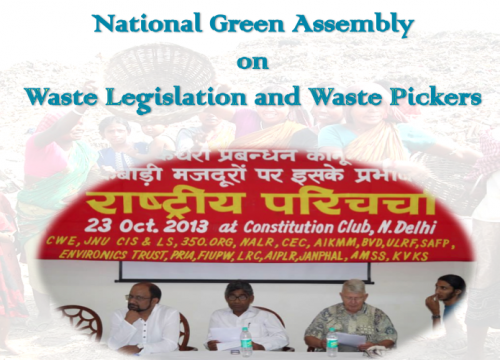
Rag Pickers are the backbone of a neat and beautiful metropolis. The green workers manage entire trash of urban locates around the globe. However, their contribution to the city’s waste management remains unrecognized. Vulnerability is exacerbated by the municipal solid waste management rules 2013.

In this video taken at the Waste and Citizenship Festival in France, Roberto Prates Reis, a representative of the National Movement of Waste Pickers in Brazil (MNCR) talks about the struggle of the “biffins” of Paris to defend their livelihood.


Check out Safai Sena’s first newsletter in English: “Safainama: Voice of Waste Pickers.”

The PRISM project (Poverty Reduction of Informal Waste Workers) recently published three videos about their work with waste pickers in Nepal.

Waste pickers have found that collective action in defense of their rights and livelihoods is an effective solution to transforming the difficult working conditions, discrimination and harassment they face.

The documentary “Catador”, meaning “Waste Picker”, which explores the struggle of the 246 waste pickers of Gericinó, in Rio de Janeiro, as they face the closure of the dump that has sustained them and their families. The documentary was made by Professor Andrew Mills of Northwestern University (United States) with students from th

El documental “Clasificadores. Algunas experiencias del trabajo con residuos en Uruguay” es uno de los productos comunicacionales elaborados y pretende reflejar las condiciones en las que viven y trabajan los clasificadores de residuos sólidos así como algunas de sus principales reivindicaciones.

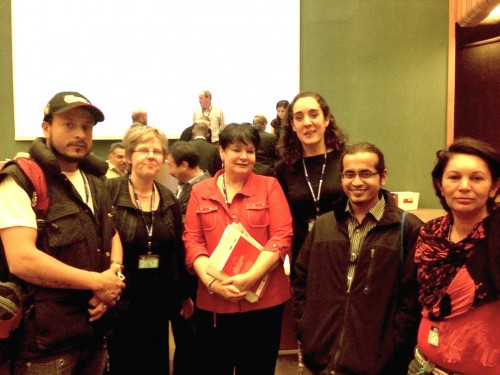
Waste picker representatives from Brazil, Colombia and India were part of the WIEGO delegation at the 102th International Labour Conference in Geneva to bring attention to waste picking and recycling as a key sector for green jobs and sustainable development. Together with WIEGO colleagues, the delegates actively participated in the discussions that took place between June 5th and 20th and engaged in discussions with other groups and key players. For the waste picker delegation, this year’s Conference was the first step in a long process of establishing a voice and presence in the ILO.

Waste picker representatives from Brazil, Colombia and India are at the 102th International Labour Conference in Geneva to bring attention to waste picking and recycling as a key sector for green jobs and sustainable development. Please see below the speech of Nohra Padilla, of Colombia, and Alex Cardoso, of Brazil, presented at the plenary.

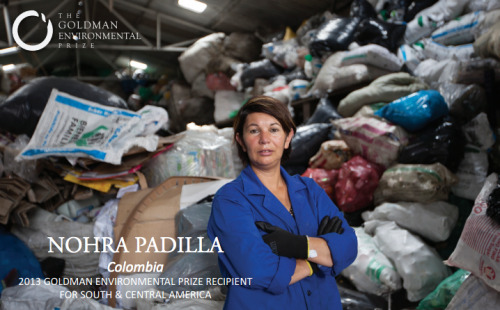
Here is a video of the Goldman Prize acceptance speech of Nohra Padilla, informal recycler and leader of the Colombian waste pickers’ movement. As part of the Goldman Prize, Padilla and other supporters of inclusive waste management (including the director of the Bogotá solid waste management department) were taken on a tour of San Francisco’s Zero Waste program. See the gallery of photos in this post. Also, Nohra Padilla is also scheduled to meet with President Obama. More on that soon!