Waste picker representatives from Brazil, Colombia and India are at the 102th International Labour Conference in Geneva to bring attention to waste picking and recycling as a key sector for green jobs and sustainable development. Please see below the speech of Nohra Padilla, of Colombia, and Alex Cardoso, of Brazil, presented at the plenary.

Trabalhar o empoderamento das mulheres não implica exclusão dos homens, significa contribuir para a emancipação de todos, homens e mulheres.

In recognition of International Labour Day, or May Day, AIKMM and its associate organization NALR hosted a program to promote solidarity amongst the waste collectors in northeast Delhi.

In the beginning of April of this year, officials from the South African Department of the Environment (chemical and waste management branches) were in Brazil and Colombia to learn about inclusive solid waste management.

SWaCH waste pickers’ cooperative began bringing attention to a little known but very important issue more than two years ago: the proper disposal of used sanitary napkins. After sending numerous requests to manufacturers of sanitary napkins and diapers and receiving no response, SWaCH came up with a last resort. The cooperative collected used sanitary napkins and sent them back in boxes to the companies’ corporate offices as a gift on International Women’s Day to make them experience firsthand what waste pickers undergo while handling such waste.

Chintan celebrated Earth Day on April 22nd, in partnership with the Indian Railways at the New Delhi Railway Station. The Chintan team along with waste pickers with Safai Sena encouraged commuters to sign pledges to not litter the station and to crush plastic bottles before discarding them.

In March of this year, Kabad Se Jugad, a women’s cooperative that makes arts and crafts out of recyclable materials launched in the Seemapuri neighborhood of New Delhi. Before forming the cooperative, members survived by collecting waste from the surrounding neighborhoods. In partnership with New York-based artist, Rolando Politi, also known as Recycle and Pray, these waste pickers are transforming these materials into objects and art, “relying on inspiration and creativity (in Hindi: jugad) to guide our production process” and “bringing our talent of improvising from waste to the wider world.”

Here is a video of the Goldman Prize acceptance speech of Nohra Padilla, informal recycler and leader of the Colombian waste pickers’ movement. As part of the Goldman Prize, Padilla and other supporters of inclusive waste management (including the director of the Bogotá solid waste management department) were taken on a tour of San Francisco’s Zero Waste program. See the gallery of photos in this post. Also, Nohra Padilla is also scheduled to meet with President Obama. More on that soon!

In Brazil, the fight against incineration continues. In São Bernardo do Campo, waste pickers attended public debate about waste to energy between the municipal government and the Anti-Incineration Coalition held at a Methodist church in the city. São Bernardo plans to install an incinerator that will burn waste in surrounding cities for a period of at least 30 years.

Congratulations, Nohra Padilla, informal recycler and leader with the Association of Recyclers of Bogotá and the National Association of Recyclers in Colombia, for winning today the Goldman Environmental Prize for South and Central America. This prize has been called the environmental “Nobel” or “Oscar”. It comes with a $150,000 cash award.

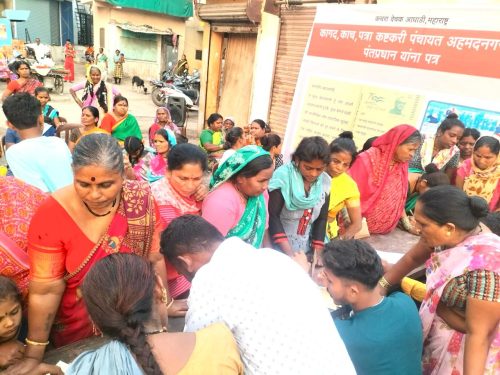
The Pimpri Chinchwad Municipal Corporation (PCMC), India, authorities had been shockingly apathetic to the inhuman treatment to over 400 waste workers employed by its contractor BVG Kshitij. Almost a week ago, the Kagad Kach Patra Kashtakari Panchayat (KKPKP) started a sit-in to protest for this situation.

The Pimpri Chinchwad Municipal Corporation authorities had been shockingly apathetic to the inhuman treatment to over 400 waste workers employed by its contractor BVG Kshitij. In frustration, the Kagad Kach Patra Kashtakari Panchayat (KKPKP) called for a public “verification drive” to ascertain the exact wages paid to workers by the company.